

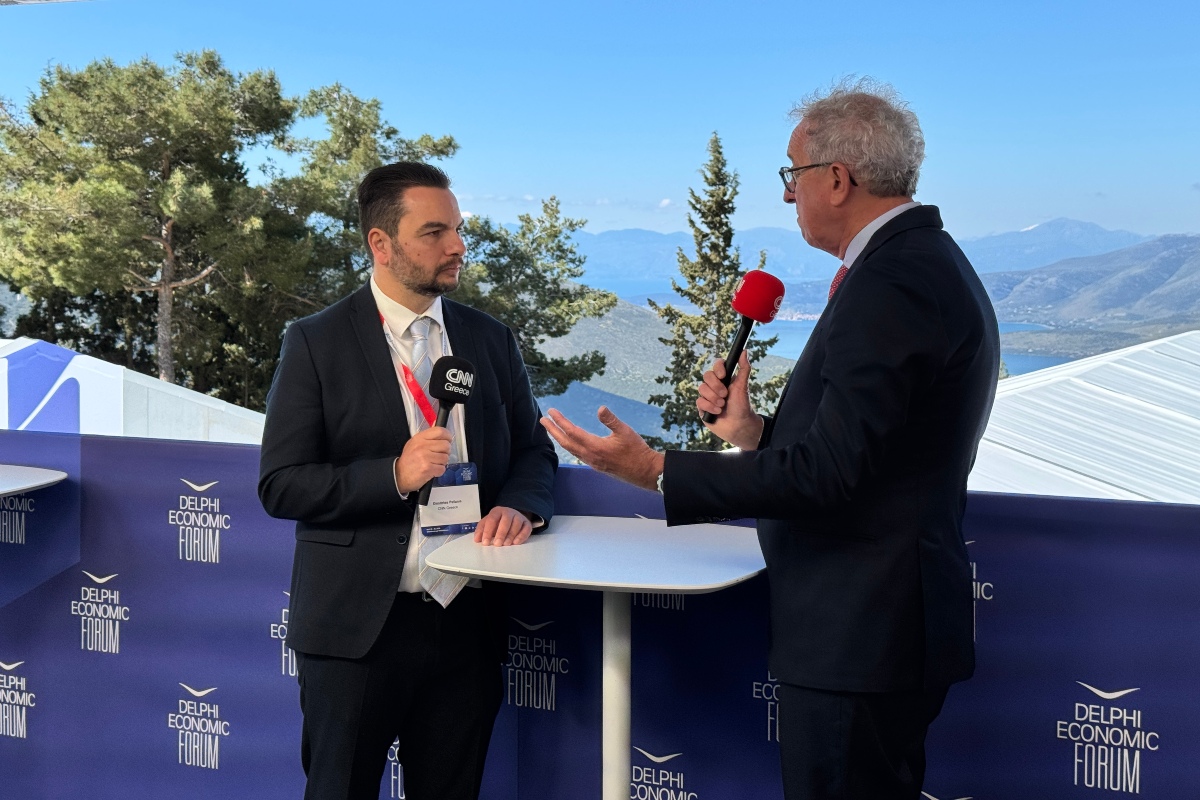
Transcript of interview with Pierre Gramegna, ESM Managing Director
Broadcast by CNN Greece
25 April 2026
Interviewer: Dimitrios Pefanis
CNN Greece: You come to us at very turbulent times, and as your Chief Economist recently said, we are possibly about to enter a new energy crisis. How possible is that development and what does it mean for Europe? Are we prepared for another, a second energy crisis in just a few years' time?
Pierre Gramegna: The short answer is that Europe is better prepared now than it was in the past. And the other quick answer is that a shock is visible at every gas station around the world, including Greece. So we must be realistic here. There's a potential risk, but we are better prepared. Why are we better prepared? Because we have developed a lot of renewable energy in Europe, including in Greece. So we are less dependent on fossil fuel than we were 4 years ago when the energy crisis was triggered by the war in Ukraine.
On the other hand, Europe remains an importing country in terms of energy. What is the lesson you have to draw from it? We must continue to invest in renewable energy because that is our energy that we do not need to import. And we have learned that lesson. Greece has, for example, increased renewable energy, which now of the energy generated represents one-third compared to one-fifth, 20%, only a couple of years ago. So that's the strategic energy independence that we must look for.
And the second thing is that we have also improved efficiency in using energy. And so, despite the fact that the prices are going up now, we must continue our strategic plan to reduce our dependence on external sources of energy.
I would like to move from energy to banking. These two elements are entwined because of the crisis, and there are fears that this energy crisis might at some point turn into a financial crisis. So how prepared and how strengthened are European banks compared to the previous crisis of some 15 years ago to face potential problems and issues?
I think the answer here is rather easy. The buffers of our banks, all European banks, including the Greek banks, are much higher than they were a couple of years ago. Both in capital and in liquidity. Taking Greece, for example, that was a country that didn't have those buffers. Taking also the non-performing loans, Greece had more than 40% non-performing loans 10 years ago. Now it's down to 3%.
So our, our banks in general in Europe are doing fine. Their return on investment, their profitability today is in double-digit numbers compared to a very low number that we had in the past. So the banking sector is more resilient. It's also due to the fact that we have strengthened the banking union, and that is also due to the fact that we have the European Stability Mechanism that has a lending capacity of €500 billion, of which €430 billion is available. That reassures markets. So we have a setup in Europe that is quite solid. So for the time being, and that's very precious in geopolitical times of turmoil and conflicts that we have, that the banking sector is very resilient.
Contact