
ESG Summary Report 2025
Message from the Managing Director
I am pleased to present this fourth edition of the summary report on the environmental, social, and governance (ESG) activities during the past year of the European Stability Mechanism (ESM).
Recent geopolitical developments have reinforced how quickly shocks can spill over into Europe’s economy and financial system. In particular, heightened tensions in regions central to global energy supply and transport can translate rapidly into price volatility, higher risk premia, and renewed pressures on inflation and growth. For European economies, this is a reminder that energy is not only a commodity but also a strategic factor, one that can shape competitiveness, economic resilience, and fiscal outcomes.
Reducing this vulnerability requires, among other measures, lowering structural dependence on imported fossil fuels that are exposed to geopolitical disruptions and sudden shifts in market prices. The experience of recent years has shown that when supply risks rise, the economic impact can be broad-based, affecting household purchasing power, corporate investment decisions, and the financing environment for sovereigns. Strengthening energy security is therefore closely aligned with strengthening macro-financial resilience.
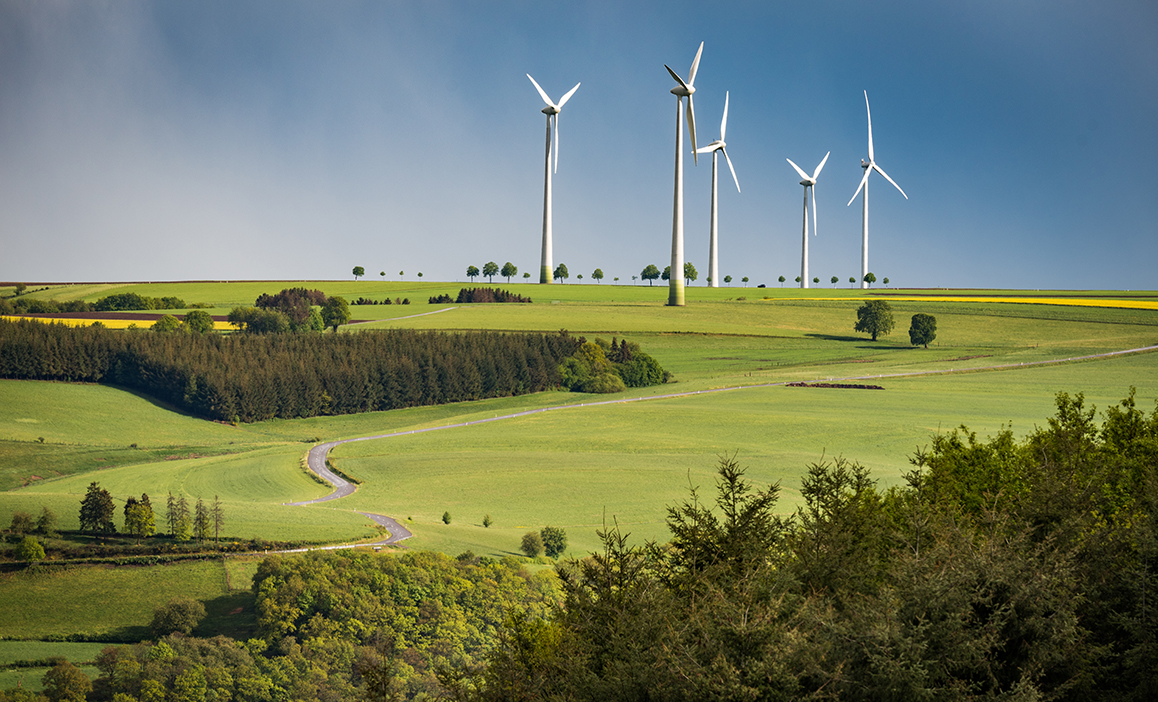
In this context, accelerating the energy transition towards renewable energy is a practical response to today’s geopolitical realities. A higher share of domestically produced renewables can help ease the exposure to disruptions in international fossil-fuel markets and improve the predictability of energy costs. Countries such as Spain and Portugal, which already draw a significant share of their electricity from renewable sources, illustrate how a more diversified and home-grown energy mix can reduce sensitivity to external shocks, while supporting the broader objectives of the green transition. Following Russia’s invasion of Ukraine in 2022, the share of renewable energy in electricity consumption in the European Union (EU) increased from 41.2% to around 47.5%, reaching 56% in Spain and over 70% in Portugal in 2024. At the same time, energy intensity1 in the EU has declined in recent years, reflecting a combination of efficiency gains, structural changes in the economy, and reduced energy demand following the 2022–2023 energy price shock.
As part of our comprehensive monitoring of risks to the euro area, the ESM analyses not only near-term market and economic developments, but also longer-term structural risks. Climate change is a key example: through both physical and transition channels, it can affect growth, public finances, and financial stability. Accordingly, the ESM has continued to expand its research and publications devoted to climate risk as highlighted in this summary report. One example of this work focuses on the macroeconomic effects of extreme weather events.2 The analysis by ESM economists shows that floods and storms can generate sizable and persistent economic shocks, particularly in regions with limited fiscal space or low insurance coverage. These findings underscore the relevance for policymakers of strengthening resilience, improving risk preparedness, and addressing protection gaps as climate-related risks become more frequent and severe.
Beyond research and analysis, the ESM also integrates ESG considerations into its own investment activities. In 2025, the ESM maintained its exposure to ESG labelled bonds, holding €7.5 billion by year end. As the ESG bond market continues to innovate and expand, the ESM aims to continue investing responsibly, engaging with credible market standards such as the United Nations (UN)-backed Principles for Responsible Investment to which it has been a signatory since 2020 and supporting the transition towards a more sustainable and inclusive economy.
In addition, the ESM prioritises transparency, rigorous risk management, and adherence to international ESG best practices within its internal operations. This includes for example ecofriendly practices and efforts to optimise the use of natural resources by closely monitoring, measuring, and reporting its environmental impact.
The following pages of this report provide an overview of our work across these areas, highlighting the progress made in integrating ESG considerations into the ESM’s activities, the challenges that remain, and the priorities guiding our approach. They reflect our commitment to supporting financial stability and sustainability in an environment of heightened uncertainty, and to contributing to a more resilient euro area economy. The ambitious goals of the Paris Accord on climate change can only be achieved with effective sustainable finance.
Pierre Gramegna
Managing Director, ESM
Chief Executive Officer, EFSF